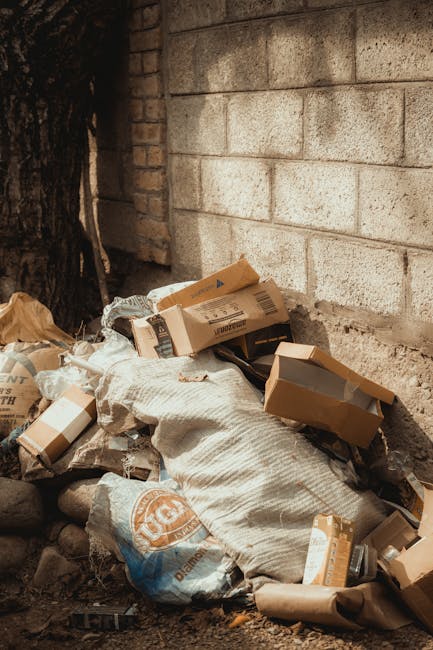
Clapham South rubbish removal near Stockwell tube: a practical local guide
If you are dealing with a pile of unwanted stuff in Clapham South rubbish removal near Stockwell tube can feel less like a nice-to-have and more like a sanity saver. Maybe it is a flat clearance after a move, a bit of builders' waste from a weekend project, or that awkward broken wardrobe that has been sitting there for weeks, making the hallway feel smaller every day. Either way, the job needs to be done properly, safely, and without turning your day into a logistics headache.
This guide breaks down how rubbish removal works in this part of South London, what to expect from a professional collection, and how to choose the right approach for your waste. It also covers common mistakes, compliance basics, and a few practical tips that save time and money. Nothing flashy. Just useful, real-world advice you can actually use.
Why Clapham South rubbish removal near Stockwell tube Matters
There is a simple reason this matters: waste gets in the way fast. In a busy London area like Clapham South, near Stockwell tube, space is valuable, kerbside access can be tight, and everyone seems to be juggling something already. A sofa dumped in a hallway, renovation rubble by the front door, or bags of mixed junk in a garden shed can turn a manageable job into a weekly annoyance.
Good rubbish removal is about more than "getting rid of stuff". It helps you reclaim usable space, reduce fire and trip risks, keep neighbours happy, and avoid the friction that comes from having waste sitting around too long. If you are moving between flats, refreshing a rental, or clearing out after a tenancy, the speed and orderliness of removal can make a noticeable difference. You can feel the difference, actually. The room looks calmer. The air feels lighter. That sounds a bit poetic, but it is true.
In this part of London, convenience matters too. Many homes and flats around transport links such as Stockwell tube and Clapham South have limited storage, narrow stairwells, shared entrances, or controlled parking. That means the ideal rubbish removal service is not just quick; it is careful, organised, and able to work around the realities of local access.
Expert summary: The best rubbish removal service is one that clears waste efficiently, handles sorting responsibly, and fits the practical constraints of London living without making you manage every detail yourself.
How Clapham South rubbish removal near Stockwell tube Works
Most professional rubbish removal jobs follow a fairly straightforward pattern, though the details vary depending on the type and amount of waste. In plain English, it usually works like this: you describe what needs removing, receive a price or estimate, book a collection slot, and the team comes to load the waste and take it away.
The useful part is that this approach avoids the waiting, lifting, and guesswork that often comes with doing it all yourself. If you have ever tried to squeeze a mattress down a stairwell on your own, you probably know what I mean. Not fun. Not remotely.
For many local customers, the work falls into one of a few common categories:
- Household rubbish removal for general clutter, bagged waste, or bulky items
- Flat clearance for rented homes, shared accommodation, and move-outs
- Furniture removal and disposal for sofas, tables, wardrobes, and chairs
- Builders' waste clearance after renovations, refits, or repairs
- Garden clearance for green waste, broken planters, and outdoor clutter
- Specialist removals such as appliances, mattresses, or office items
For a broader overview of collection services and what they cover, it helps to look at general waste removal options alongside more specific pages such as flat clearance and furniture disposal. Those services are often the best fit when you are dealing with a mixed load rather than one single item.
What happens on the day? Typically the team assesses the load, confirms the items, and then removes everything in one go. If access is tight, that can mean stair carries, careful manoeuvring through narrow hallways, or timing the collection to avoid disrupting neighbours. In central and inner London, that kind of coordination is not a bonus. It is the job.
Key Benefits and Practical Advantages
There are plenty of reasons people choose a professional clearance rather than trying to manage waste themselves. The obvious one is convenience, but there is more to it than that.
- Less physical strain: Heavy items, awkward furniture, and bagged waste do not need to be carried by you.
- Faster turnaround: A single collection can clear a problem that might take several trips otherwise.
- Cleaner finish: Once the waste is gone, the space is actually usable again.
- Reduced stress: No hiring a vehicle, no loading van after van, no guessing what fits where.
- Better sorting: Reusable and recyclable materials can be separated more sensibly.
- Safer handling: Sharp, dusty, or bulky waste is dealt with in a controlled way.
For example, if you are clearing a flat near Stockwell tube after a tenant move-out, you may have a mix of furniture, broken household items, and a few bits of general rubbish. That is the sort of load where a blended service can be easier than trying to separate every item yourself before collection day.
There is also the hidden benefit of momentum. Once the waste is gone, the rest of the job tends to feel easier. People often say, "We should have done this ages ago." It is a common line for a reason.
Some customers also combine rubbish removal with more specific services like house clearance or home clearance when a property needs a fuller reset. That can save time because the visit is planned around the whole job, not just one awkward pile in the corner.
Who This Is For and When It Makes Sense
This kind of service is not only for big renovations or dramatic clear-outs. Truth be told, a lot of the best-fit jobs are small to medium-sized and surprisingly ordinary.
You may need Clapham South rubbish removal near Stockwell tube if you are:
- moving out of a flat and want the place cleared quickly
- dealing with end-of-tenancy clutter or leftover furniture
- renovating a kitchen, bathroom, or bedroom
- refreshing an office and removing old desks, chairs, or filing items
- clearing a garage, loft, or spare room that has become a storage zone
- tidying a garden after pruning, landscaping, or a seasonal reset
- disposing of one or two bulky items that are hard to move alone
It is also a sensible choice when timing matters. If you have contractors arriving the next morning, or a landlord inspection looming, waste that lingers becomes a problem fast. Nobody wants to be arranging a last-minute clear-out while trying to find the kettle. Been there, and it is not ideal.
For business users, the same logic applies. A small office may need a quick refresh, confidential handling of certain items, or a tidy removal of old stock and equipment. In those cases, business waste removal and office clearance are often the more appropriate routes.
Step-by-Step Guidance
If you want the smoothest possible experience, it helps to break the process down before the team arrives. A little prep goes a long way.
- List the items clearly. Note whether the waste is furniture, general rubbish, mixed household clutter, garden waste, or builders' debris.
- Separate anything sensitive. Keep personal documents, valuables, and anything you want to retain away from the clearance area.
- Check access. Staircases, parking, lift access, and entry times matter more than people expect.
- Ask about restricted items. Certain waste types need special handling, and it is better to know that early.
- Choose the right service. A furniture-only job is different from a mixed property clearance or construction waste job.
- Confirm the timing. If your schedule is tight, choose a collection slot that leaves enough breathing room.
- Walk through the job on arrival. A quick, clear point-by-point check helps avoid confusion.
- Request a final sweep if needed. Once the waste is gone, it is worth checking corners, under shelves, and behind doors.
That final sweep is easy to skip, but it matters. The last little bag, the broken lamp shade, the bit of wood under the radiator... those are the things that make a room still feel unfinished. Small stuff, big effect.
If you are unsure whether your items are suitable for standard collection, the site's what can go in a skip guidance is a useful reference point, even if you are not actually hiring a skip. It helps you think through the difference between general waste, recyclable material, and anything that needs special treatment.
Expert Tips for Better Results
After a while, you notice the same few habits make rubbish removal easier every time. Nothing complicated. Just sensible preparation.
- Group similar items together. Put furniture with furniture, bagged waste with bagged waste, and garden cuttings in one area if possible.
- Keep pathways clear. The less the crew has to weave around, the quicker and safer the job goes.
- Be realistic about volume. A room that "does not look like much" can still hold a surprisingly large load once sorted.
- Flag awkward items early. Fridges, mattresses, heavy appliances, and very bulky furniture should be mentioned up front.
- Take photos if it helps. This is especially useful if you are booking remotely or arranging clearance for someone else.
- Think about recycling. If you separate usable items, the process can be cleaner and more efficient.
A practical example: if you are clearing a one-bedroom flat near Stockwell tube on a damp Tuesday morning, the job is often smoother if bags, cardboard, and furniture are already grouped before the team arrives. It sounds obvious, but the difference in speed can be surprisingly noticeable.
For larger domestic jobs, you may also want to look at loft clearance, garage clearance, or garden clearance. These services fit nicely when waste has collected in one part of the property over time.
Common Mistakes to Avoid
Most clearance problems are avoidable. That is the annoying part, honestly. A lot of them come from rushing or assuming everything will be straightforward on the day.
- Underestimating the amount of waste. What looks like a small pile can fill a van once it is loaded properly.
- Mixing restricted items in without checking. Some materials need specialist handling, so do not leave that to chance.
- Ignoring access issues. Tight stairs, no parking, or limited entry times can delay the whole job.
- Not clearing personal items first. People often forget drawers, cupboards, and shelves.
- Choosing the wrong service type. A furniture job, a builders' waste load, and a full property clearance are not quite the same thing.
- Leaving the booking until the last minute. If the job is tied to a move or deadline, last-minute arrangements add pressure for no good reason.
One of the easiest mistakes to make is assuming "it is all rubbish anyway, so any collection will do". Not quite. A careful provider will ask the right questions, handle waste responsibly, and match the service to the type of load. That is the difference between a tidy outcome and a messy one.
For particularly bulky items, you may find furniture clearance, mattress and sofa disposal, or fridge and appliance removal more appropriate than a general collection. Choosing the right route saves time and reduces surprises.
Tools, Resources and Recommendations
You do not need a van full of gear to organise rubbish removal, but a few simple tools and habits make the process easier.
- Heavy-duty bags: Useful for loose waste, textiles, or small mixed items.
- Gloves: Especially helpful if you are sorting dusty loft items or garden debris.
- Marker tape or labels: Great for separating keep, donate, and remove piles.
- Phone camera: Handy for documenting what needs to go before collection.
- Measuring tape: Worth using for bulky furniture, especially where narrow corridors are involved.
From a planning point of view, the most useful site pages are often the ones that help you understand service fit and expectations. The site's pricing and quotes page is a sensible starting point if you want to compare your options before booking. If you are arranging a more specialised removal, the pages for builders' waste clearance and furniture clearance can also help you match the service to the job.
If you want to understand how sorting affects sustainability, the site's recycling and sustainability information is worth a look. It is a good reminder that a "rubbish" job can still be handled with care. Not glamorous, but useful.
Law, Compliance, Standards, or Best Practice
Waste removal in the UK is one of those subjects where practical common sense and compliance go hand in hand. You do not need to become a legal expert, but you do want to know the basics.
The main idea is simple: waste should be handled by a responsible carrier, sorted appropriately, and disposed of through legitimate routes. If you are a householder, that mostly means choosing a service that treats waste carefully and does not cut corners. If you are a business, the standards are tighter because commercial waste carries extra obligations around duty of care and record keeping.
For everyday domestic clearances, best practice usually includes:
- keeping hazardous or specialist items separate unless the provider confirms they can handle them
- making sure access arrangements are honest and accurate
- checking what can be reused or recycled
- using a provider that explains its process clearly
- avoiding fly-tipping risk by never dumping waste with an unknown operator
When a job includes materials like chemicals, sharp waste, broken electrical items, or other potentially problematic items, it is wise to treat them carefully and ask for specific handling advice. The site's hazardous waste disposal page is the right place to start if you are unsure whether something needs special attention.
It is also worth paying attention to trust and operational basics. Pages such as insurance and safety, health and safety policy, and payment and security help set expectations for professional service. That kind of transparency matters. It really does.
Options, Methods, or Comparison Table
There are a few common ways to deal with unwanted waste around Clapham South and Stockwell. The right choice depends on volume, item type, access, and how much time you have.
| Method | Best for | Pros | Trade-offs |
|---|---|---|---|
| Professional rubbish removal | Mixed waste, bulky items, fast turnaround | Convenient, quick, loaded for you | Usually costed by load size or job complexity |
| Skip hire | Ongoing renovation waste or large projects | Good for staged jobs, flexible fill time | Needs space, permits may be relevant, you load it yourself |
| Self-haul to a disposal site | Small loads with access to a vehicle | Can be cost-effective for tiny jobs | Time-consuming, heavy lifting, multiple trips possible |
| Specialist item removal | Appliances, mattresses, sofas, confidential material | Matched to the item, safer handling | Not ideal for mixed general waste |
For many households and landlords near Stockwell tube, professional collection wins on sheer practicality. Skip hire can make sense for ongoing work, but in a flat with limited parking and no spare space, it quickly becomes more trouble than it is worth. That is the honest version.
If you are weighing up skip-style planning, what can go in a skip is a useful comparison point. And if the job is more furniture-heavy, the dedicated mattress and sofa disposal service may be the cleaner fit.
Case Study or Real-World Example
Here is a realistic scenario. A tenant moves out of a second-floor flat near Clapham South. The place has a broken wardrobe, a lumpy mattress, a dining chair missing one leg, two bin bags of mixed clutter, and a pile of cardboard from new furniture that never quite got assembled properly. There is also a narrow staircase, a shared entrance, and a slot between work shifts for access. Classic London flat stuff, in other words.
The sensible approach is to separate what is clearly furniture, what is general rubbish, and what might be recyclable cardboard. The booking is made with the access details explained clearly, including the floor level and the fact that the corridor is tight. On collection day, the team removes everything in one visit, the landing is left clear, and the flat is ready for cleaning.
What made that job work? Not luck. Just preparation, clear communication, and using a service that matched the property type. That is the pattern you see again and again. The waste itself is rarely the hard part. It is the access, timing, and sorting that usually decide how smooth the day feels.
For a similar sort of move-out or property reset, related services like flat clearance and home clearance are often the most relevant. They are especially handy when the task is larger than a simple one-item removal but not quite a full house clearance.
Practical Checklist
Use this checklist before your collection. It keeps things calm and saves last-minute panic.
- List all items to be removed.
- Separate valuables, documents, and things to keep.
- Check whether any items need specialist handling.
- Measure bulky furniture if access is tight.
- Clear the route from the waste to the exit.
- Confirm parking, entry, and timing details.
- Group recyclable or reusable items where possible.
- Take photos if you are booking on behalf of someone else.
- Review any service notes before the collection.
- Do a final sweep after removal so nothing small is left behind.
If you are dealing with property-wide clutter, it can also help to think in zones: loft, bedroom, living room, garden, garage. That way the job feels less like one giant mountain and more like a few smaller, manageable bits. Much better for the brain.
Conclusion
Clapham South rubbish removal near Stockwell tube is really about making busy urban life easier. Whether you are clearing a flat, dealing with old furniture, getting rid of builders' waste, or tidying up after a move, the right service should save you time, reduce stress, and leave the place properly usable again.
The best outcomes usually come from a simple formula: accurate information, the right type of clearance, and a provider that works neatly around local access and safety realities. Keep the job clear, keep the process honest, and do not wait until the clutter starts becoming a daily nuisance. A clear space changes the feel of a home more than people expect.
If you are planning a clearance soon, take a minute to compare service fit, check practical details, and choose a team that handles the job with care. That little bit of forethought makes a big difference, and it is one of those tasks you will be quietly glad you sorted.
Get a free quote today and see how much you can save.
Frequently Asked Questions
What does rubbish removal in Clapham South usually include?
It usually includes general household waste, bagged rubbish, bulky items, furniture, and mixed loads from homes, flats, or small businesses. Some jobs may need specialist handling depending on the material.
Can rubbish be collected near Stockwell tube if parking is tight?
Yes, but access details matter. If parking is limited, it helps to explain the situation in advance so the collection can be planned properly and without delays.
Is furniture removal different from general rubbish removal?
Often, yes. Furniture can involve heavier lifting, awkward shapes, and more care around stairways and hallways. A dedicated furniture service is usually the better fit.
How do I know whether I need a flat clearance instead of a basic rubbish collection?
If you are clearing multiple rooms, leaving a property, or dealing with a fuller mix of items, flat clearance is often more appropriate. A basic collection works better for smaller, simpler loads.
What should I do with mattresses or sofas?
These items are better handled through a dedicated disposal service because they are bulky and can be awkward to move. They are also easier to process properly when separated from general waste.
Can I put builders' rubble and DIY waste in with household rubbish?
Sometimes small amounts can be included, but it depends on the exact materials and the service being used. Builders' waste is often better treated as a separate category.
Is there a difference between waste removal and waste disposal?
In everyday use, people often use the terms loosely. Removal refers to taking the waste away; disposal refers to what happens afterwards. A good service should cover both responsibly.
What if I have a fridge or another appliance to remove?
Appliances are usually best handled through a dedicated appliance removal service because they can contain components that need careful treatment and sorting.
Do I need to sort everything before the team arrives?
Not always, but some basic sorting helps a lot. Separating valuables, personal papers, and clearly different waste types makes the collection smoother.
How far in advance should I book a rubbish collection?
If your timing is flexible, booking a little ahead gives you more choice. If you are working to a move-out date or deadline, book as early as you can to reduce pressure.
What happens if my waste includes something hazardous or unusual?
That should be flagged before booking. Hazardous or specialist items may need separate handling, so it is always better to ask rather than guess.
Are recycling and reuse part of a rubbish removal service?
They can be. Many services sort materials where possible, especially items that can be reused or recycled rather than sent away as mixed waste. It is a good sign when a provider explains that process clearly.
Can businesses near Stockwell tube use the same service as households?
Sometimes, but commercial jobs may need a different approach. Office waste, confidential items, and regular business waste are often better handled through business-specific services.
What is the simplest way to start if I am not sure what service I need?
Start by listing the items, taking a photo if useful, and thinking about whether the job is general rubbish, furniture, builders' waste, or a full clearance. That usually makes the right service much easier to identify.
If you are also comparing wider service options, pages such as about us and contact us can help you understand who is behind the service and how to take the next step. A little reassurance goes a long way, especially when you are staring at a pile of stuff that has overstayed its welcome.
And once it is all gone, you really do notice the difference. A cleaner room, a clearer hallway, less mental clutter too. Funny how that works.