Commercial Waste in Stockwell
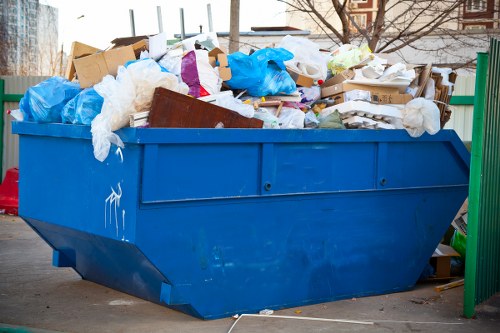
Commercial waste in Stockwell needs a practical, tidy and lawful approach, especially when businesses want regular collections, one-off clearances or a more organised way to handle mixed workplace rubbish. We provide a service focused on removing trade waste, separating suitable materials where possible, and keeping day-to-day disruption manageable. The aim is simple: collect waste responsibly, reduce clutter around the premises and help businesses keep on top of what leaves the site.
Our commercial waste work can suit offices, shops, hospitality premises, studios, workshops and shared buildings. It covers many common non-hazardous materials, with arrangements shaped around the type and volume of waste involved. If you are comparing options, our pricing and quotes page gives a useful starting point for understanding how jobs are assessed, while this homepage explains the main service in more detail and shows where different disposal choices may be useful.
For a straightforward next step, tell us what needs collecting and how often it builds up. If you already know the waste types, that helps us match the right service. If you are ready to move on, you can request a quotation here.
What our commercial waste service covers
Commercial waste collection is rarely just about lifting bags. It often involves mixed rubbish streams, packaging, broken office items, redundant stock and materials from routine maintenance or a move between premises. We handle the removal side so the waste does not linger in corridors, yards or loading areas. That can be particularly helpful where access is shared, where storage space is tight, or where waste needs clearing before the next delivery or working day.
To make the service more useful, it helps to think about the waste by category rather than by room. General office waste, shop packaging, light fixtures, cardboard, small broken items and other non-hazardous commercial refuse may all need different handling. We work in a way that keeps the load organised and supports responsible disposal choices, including recycling where suitable. If you need a broader tidy-up around stock rooms or storage spaces, our business waste removal page may also be relevant for planning the right approach.
Typical items from day-to-day trading
Many customers use commercial waste collection for items that have simply reached the end of their usable life. That can include damaged packaging, old signage, obsolete office materials, worn fixtures that are not fixed to the building, and mixed rubbish from reorganising work areas. In some cases, a small amount of furniture or appliances may also form part of the load, although those items are often easier to manage when separated in advance. A clear description of the materials helps us decide how the waste can be handled most efficiently.
Business waste removal for different premises

Different premises create different waste patterns, and commercial waste removal needs to suit the setting rather than forcing everything into one method. An office may generate paper, archive clear-outs and redundant furniture; a retail unit may need packaging and stockroom waste taken away; a hospitality site may have regular general rubbish alongside occasional bulky items. We provide removal that is designed to work around those differences, rather than expecting every customer to manage waste in the same way.
Where premises are busy, the practical details matter. Collections may need to fit between opening hours, service periods or deliveries. Some sites have restricted access, shared entrances or narrow stairways, so the waste has to be presented in a way that allows it to move out safely. It is useful to group the materials in advance if you can, particularly when the waste includes a mix of loose items and bags. That said, we can still help when a site is not fully sorted, provided the material is suitable for commercial waste removal.
For customers wanting a better sense of how the service is framed, our about us page offers general company information, while the waste collection service itself remains the focus here. You may also find it helpful to keep note of the main waste streams before asking for a quotation, as this usually makes it easier to describe what needs taking away and what type of collection is likely to suit the job.
Handling mixed waste responsibly
Commercial waste often arrives mixed, but mixed waste still needs to be managed carefully. Recyclable materials should be kept as distinct as practical, and unsuitable items must not be put together simply because they are convenient to move. Our approach is to remove what you have, keep the process orderly and support responsible disposal routes where they are available. That balance matters because many businesses want the simplicity of a single collection without losing the chance to recycle suitable materials.
Some jobs involve more than one waste type, but not every material can be treated in the same way. For example, cardboard, clean packaging and some office materials may be different from broken furnishings or items contaminated by food, liquids or workshop use. If the waste includes anything that might need special handling, it is better to identify it early rather than to hide it within the general load. Where the material is not suitable for a standard collection, we can explain the limitation clearly before anything is booked.
- General business rubbish from daily operations
- Packaging and stockroom clear-outs
- Light office furniture and loose workplace items
- Mixed non-hazardous waste from tidy-ups or moves
Planning a commercial clearance

A commercial clearance usually works best when the waste is described in practical terms rather than broad ones. It helps to know whether the load is mainly bags, boxes, loose items or bulky pieces, and whether it is all in one place or spread across several rooms. This is not about creating unnecessary preparation. It is about giving enough detail for the collection to be matched to the waste, so that the right vehicle, time and handling method can be arranged.
Photographs can be useful when the contents are varied, especially if the job includes a mixture of regular rubbish and larger items. A short note about access also helps, particularly if there are stairs, loading restrictions or a narrow route from the premises to the collection point. If you already know what must stay on site, it is best to mention that too, so there is no confusion on the day. These small steps keep the process clear without turning the enquiry into a long admin exercise.
When you are ready to move forward, the next step is straightforward: describe the waste, note any access limits and ask for a quotation. If the premises also need help with items such as office furniture or fittings, it may be worth comparing the main collection page with our office clearance page to see whether a broader clearance service is a better fit.
Office, retail and trade waste needs
Commercial waste does not always look the same from one business to another. Office waste may be tidy but bulky, with paper, packaging, chairs and desk items taking up more room than expected. Retail waste often arrives in waves, especially after stock changes, deliveries or refits. Trade premises can generate heavier and dirtier materials, though these still need to be assessed carefully before collection. Matching the service to the setting helps avoid overcomplication and keeps the removal process sensible.
Where a business generates waste regularly, consistency is often more valuable than a one-off large tidy-up. A routine collection can prevent small amounts from building into a bigger problem and can be easier to manage than waiting until storage areas are overflowing. For occasional clear-outs, a single visit may be enough. Either way, the same principles apply: identify the waste accurately, keep unsuitable items separate, and use a service that can remove what is genuinely intended for disposal. For items that are mostly broken workplace furniture, furniture disposal may be a more focused route.
We also consider whether the waste is part of a change in the business rather than standard day-to-day refuse. A move, restructure or refurbishment often changes what needs removing and how quickly it has to go. In those situations, the collection can be organised around the practical sequence of the work, so the premises are not left with piles of redundant items after the main activity is complete.
About Stockwell
Stockwell is a district in south London, lying within the London Borough of Lambeth and close to neighbouring areas such as Brixton, Clapham and Kennington. Its identity has long been shaped by transport links, housing growth and the changing character of inner London. The Underground station sits on the Northern and Victoria lines, making the area well connected, while nearby roads and bus routes give it a busy urban rhythm. Historically, Stockwell developed from a village setting into a densely built part of the capital as London expanded southward, and traces of that growth remain in its terraces, estates and mixed street patterns. The district is also associated with the former Stockwell Bus Garage, a notable industrial landmark, and with the Stockwell Memorial, which marks the 2005 London bombings and forms part of the area’s recent civic memory. Local architecture ranges from Victorian and Edwardian housing to later housing estates and newer developments, creating a varied streetscape rather than a single uniform character. Open spaces are more limited than in outer districts, but nearby green and public areas, together with cultural venues and everyday shops, help shape local life. The area’s social history is equally layered, with long-standing communities alongside newer residents contributing to its present-day character. Stockwell’s position between several major south London neighbourhoods means it has often been influenced by movement, migration and redevelopment, yet it still retains a distinct identity that is recognised by people who know the local road network, station and surrounding streets. Its mix of homes, small businesses and community facilities reflects the practical urban role it continues to play.
Clearances, disposals and specialist waste
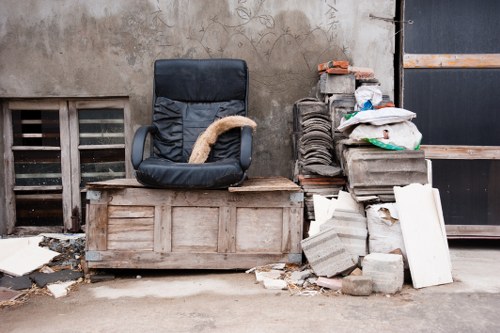
Some customers begin with commercial waste and then realise that a related clearance or disposal service would be more appropriate. That can happen when the load includes old office furniture, mattresses, domestic-style items from staff areas, or appliance waste from a workplace kitchen or break room. Rather than treat everything as a single generic job, it is worth checking which service best matches the item type. That approach is often simpler, clearer and more responsible than forcing unsuitable material into the wrong collection.
Where items are mainly bulky rather than bagged, a more specific disposal page can be useful. Furniture, appliances and other awkward objects are usually easier to describe when they are listed clearly, especially if the load includes a mix of sizes or materials. If you are unsure whether a collection should be classed as commercial waste or as a more specific disposal task, the safest option is to describe the items exactly as they are. That way, the right route can be suggested without overstating what the service includes.
For unusual material types, additional care may be needed. If the waste includes hazardous or potentially regulated items, those should not be assumed to fit a standard collection. Any material that may need a separate handling method should be identified in advance so it can be assessed properly. If you would like to compare general commercial collections with more specialised disposal, our hazardous waste disposal page is a useful point of reference for the limits of standard removal work.
How collection and disposal are managed
Commercial waste service works best when the collection process is clear from the outset. We focus on lifting, loading and removing the waste in a way that is orderly and efficient, then passing it into suitable disposal or recovery routes where those are available. The details depend on the type of waste, but the overall aim remains the same: keep the process practical for the customer and avoid unnecessary disruption around the premises.
Waste handling is not only about getting items off the site. It also involves deciding which materials can be processed together and which need to remain separate. Heavy, awkward or contaminated items may require more attention than everyday office waste, and the method used should reflect that. Where a business has several kinds of waste waiting at once, it can help to think in terms of priority, access and weight. That makes the collection more manageable and reduces the chance of confusion when the load is being prepared.
If you want to compare the main service with other removal options, our waste removal page may help you see the broader service range. The commercial service on this page remains focused on business premises, but the underlying approach to responsible loading, sorting and disposal is part of what makes a collection worthwhile.
Getting the quotation right
A quotation for commercial waste is usually shaped by the type of material, the amount involved, access to the site and any extra handling needed. A pile of light cardboard is different from several bulky chairs or a mixed load with awkward items, even if the waste occupies a similar amount of space. The clearer the description, the better the quotation can reflect the actual work. That keeps expectations realistic and helps avoid confusion later.
It is sensible to mention whether the waste is ready at ground level, whether it is spread across rooms, and whether anything needs to be carried through shared spaces. These points do not need to become a long checklist, but they do affect how the job is planned. If you are comparing disposal routes, you may also want to review our recycling and sustainability page to understand the general approach to materials that can be recovered rather than discarded outright. For straightforward business rubbish, however, a clear description and a single quotation request is often enough.
Request a quotation when you are ready, or keep this page open while you decide which items should be included. If the waste is mainly office-based, stockroom-based or mixed from day-to-day operations, we can help shape the collection around that reality. For the quickest start, send the details and ask for a quotation today.