Stockwell Park Estate rubbish collection guide SW9
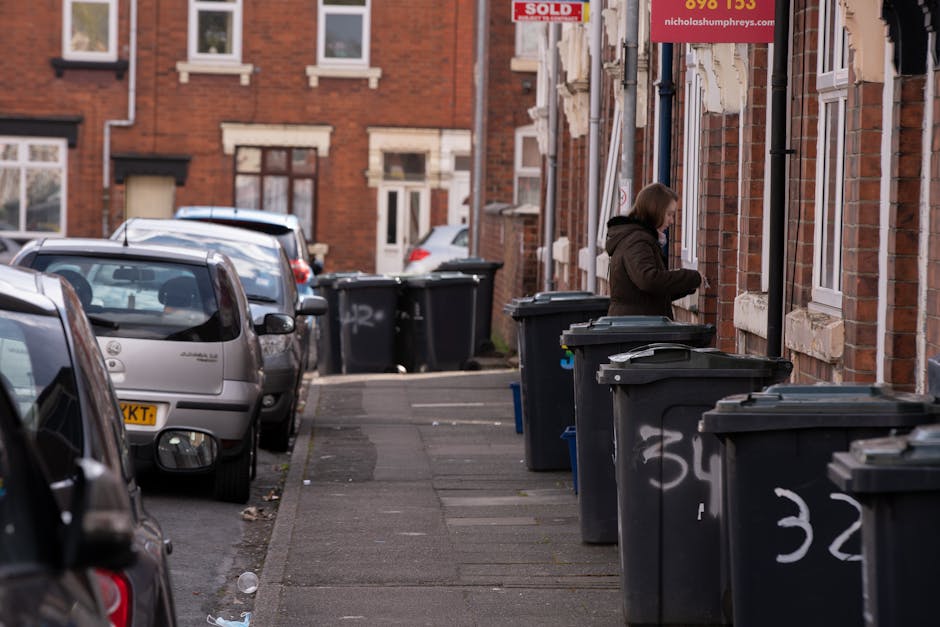
If you live on Stockwell Park Estate, you already know rubbish can build up in a way that feels oddly quick. One bulky item by the stairwell becomes two bags, then a broken chair, then a pile you keep stepping around at 7:30 on a wet London morning. This Stockwell Park Estate rubbish collection guide SW9 is here to make that whole process simpler, safer, and less of a headache.
Whether you are clearing a flat, sorting out landlord waste, dealing with an end-of-tenancy mess, or just trying to get a sofa out without damaging the hallway wall, the right approach matters. In practice, good rubbish collection is not just about taking things away. It is about access, timing, sorting, disposal rules, and choosing the method that fits the job. Sounds basic, but it saves a lot of grief.
Below, you will find a practical, local-focused guide to how rubbish collection works in and around Stockwell Park Estate, what to check before booking, which waste types need extra care, and how to avoid the common mistakes that slow everything down.
Why Stockwell Park Estate rubbish collection guide SW9 Matters
Estate living brings a few specific rubbish challenges. You may have shared walkways, limited parking, tight stair access, and neighbours who quite reasonably do not want bags left in the corridor overnight. That makes rubbish collection more than a simple pickup. It becomes a coordination job.
On Stockwell Park Estate, the main issue is often not the waste itself. It is how the waste is stored, carried, and removed without disrupting the building or breaching basic house rules. A broken wardrobe in a top-floor flat is not the same as a few black bags from a bedroom tidy-up. The route out, the vehicle access, and the disposal method all change the plan.
It also matters because the wrong approach can lead to avoidable costs. If items are not separated properly, or if you book the wrong type of collection, you may end up paying for an additional visit. And let's face it, nobody wants a second round of lifting a mattress down four flights of stairs if it could have been sorted the first time.
There is also a wider sustainability point. Good waste handling means more recycling where possible and less chance of recoverable items going straight to landfill. If you want to understand the broader approach to reuse and disposal, the recycling and sustainability approach is worth reading alongside this guide.
How Stockwell Park Estate rubbish collection guide SW9 Works
At a practical level, rubbish collection in SW9 usually follows a simple pattern: identify the waste, confirm access, arrange the collection, and have the items ready to move. The real detail is in the preparation.
For estate properties, the collection team will usually want to know:
- what kind of waste you have
- roughly how much there is
- which floor the items are on
- whether there is lift access
- if there are parking or loading restrictions
- whether any items need special handling
That last point matters more than people expect. A fridge, a broken sofa, and a bag of renovation rubble are all "rubbish" in everyday speech, but they are handled very differently. For example, appliance waste may need separate removal, while mixed building debris is usually treated as builders' waste. If you are dealing with renovation leftovers, the builders' waste clearance page gives a useful idea of how that type of load is handled.
There is also a difference between a one-off collection and a fuller clearance. A few bags may be straightforward. A whole flat after a move, much less so. In that case, services such as flat clearance or house clearance can be a better fit than piecemeal waste removal.
One thing people often overlook is timing. If your estate has narrow access or shared parking, early or mid-morning collections are often easier than late afternoon pickups. The vans are easier to position, neighbours are less likely to be coming and going, and you are not trying to move heavy items while daylight is fading. Small detail, big difference.
Key Benefits and Practical Advantages
The best rubbish collection service does more than simply turn up and take things away. It reduces stress, shortens the clean-up, and helps you avoid the awkward bits that come with bulky waste.
Here are the main benefits:
- Less lifting for residents: Helpful if you are dealing with stairs, awkward corners, or heavy furniture.
- Cleaner communal areas: Waste is removed in one go rather than left sitting in hallways or outside blocks.
- Better time management: You do not need to organise a hire vehicle or spend half the day trying to work out where everything goes.
- Safer disposal: Items can be sorted properly, which reduces the risk of contamination or improper dumping.
- More flexibility: Good clearance options can handle anything from a single item to a full property clear-out.
For many people, the biggest advantage is emotional, oddly enough. Once the clutter is gone, the room feels usable again. You can hear the echo in an empty flat, the way the front door closes properly, the floorboards suddenly visible. It sounds small, but it changes how a place feels.
If you are clearing a home after a move, bereavement, tenancy change, or long period of accumulation, a broader service such as home clearance can help keep the job manageable. For specific items, furniture disposal or mattress and sofa disposal may be more efficient.
Who This Is For and When It Makes Sense
This guide is useful for a fairly wide range of people, not just landlords or housing managers. In fact, most rubbish problems in estate settings are everyday ones.
- Tenants: especially at the end of a tenancy or after a flat clear-out.
- Landlords and letting agents: when a property has been left with unwanted contents or general waste.
- Homeowners: if you are replacing furniture, clearing a garage, or dealing with renovation debris.
- Housing staff or caretakers: when shared spaces need a prompt tidy-up.
- Small businesses working locally: if a mixed office or storage area needs fast waste removal.
It also makes sense if you have items that are awkward to move or not suitable for normal bin collections. That includes fridges, washing machines, damaged wardrobes, office chairs, garden cuttings, loft clutter, and the sort of "I'll sort it next weekend" pile that somehow lives in every estate flat.
If your waste is office-related, the office clearance option is a better fit than a general collection. If it is more of a personal declutter job, loft clearance or garage clearance may make more sense. A good match saves time. Simple as that.
Step-by-Step Guidance
Here is the cleanest way to organise rubbish collection on Stockwell Park Estate without making the process harder than it needs to be.
- Sort the waste by type. Separate general rubbish, furniture, appliances, rubble, green waste, and anything potentially hazardous. You do not need perfection, but basic sorting helps a lot.
- Check what needs specialist handling. Refrigerators, freezers, chemicals, paints, asbestos-related materials, and some electrical items need extra care. If in doubt, put them aside and ask first.
- Measure the larger pieces. Door width, stair turns, lift size, and tight corridor corners can all affect removal. A two-minute measurement can save a lot of swearing later.
- Clear the access route. Move shoes, plant pots, prams, and anything that could slow the team down or create a trip hazard.
- Choose the right service type. A few items may suit a basic waste removal job, while a full property load may suit general waste removal or a dedicated clearance service.
- Confirm the booking details. Make sure the date, arrival window, access instructions, and waste description are all clear.
- Have the waste ready. Put items in one location if possible, but do not block exits or fire routes. That part is non-negotiable.
- Ask about recycling. If you want items reused or recycled where appropriate, say so in advance. It helps set expectations.
A quick example: if you are getting rid of a sofa, lamp, coffee table, and a couple of bags of mixed clutter from a third-floor flat, it is worth checking whether furniture clearance is more appropriate than a general collection. It often is. Less faffing, better result.
Expert Tips for Better Results
There are a few habits that make rubbish collection noticeably easier in estate settings.
- Label anything unusual. A simple note like "electrical item" or "reuse if possible" prevents confusion.
- Keep mixed waste under control. The cleaner the load, the easier it is to process correctly.
- Book around access patterns. Mid-morning often works better than school-run time or the evening commuter rush.
- Watch for hidden extras. Old wardrobes often contain screws, shelves, and weird little brackets that catch on steps.
- Separate valuable or personal items early. Once the clearing starts, things can disappear into the flow surprisingly fast.
Another useful tip: if you are clearing items from a damp storage area, check them before the day of collection. Cardboard, fabric, and soft furnishings can absorb moisture and become heavier than expected. You notice it when you lift them. Not fun.
If any part of the load includes confidential paperwork, do not just toss it in with normal rubbish. Use the dedicated confidential shredding option instead. That small bit of discipline protects privacy and avoids needless risk.
Common Mistakes to Avoid
Most rubbish collection problems are predictable. The good news? That means they are avoidable.
- Leaving waste until the last minute. Then the hallway becomes a storage room and stress level rises for no good reason.
- Guessing the volume. Underestimating the amount of waste can lead to delays or an incomplete collection.
- Mixing restricted items with general waste. This can create disposal issues and complicate the job.
- Blocking access routes. In a shared estate, this is one of the quickest ways to annoy everyone.
- Assuming all furniture is handled the same way. It is not. Sofas, beds, appliances, and office items may each need different handling.
- Forgetting about parking or permits. On a busy SW9 street, van positioning can matter more than people expect.
A small but common mistake is not checking the item list with the provider. If you have a fridge, a sofa, and a bag of sharp DIY offcuts, say that clearly. It is much easier to plan correctly than to improvise while standing at the front door, scratching your head.
Tools, Resources and Recommendations
You do not need a shed full of equipment to manage rubbish properly, but a few basic tools can make a big difference.
- Heavy-duty bags: for loose waste and small clutter.
- Gloves: especially if you are handling dusty loft waste or garden cuttings.
- Tape measure: very useful for mattresses, wardrobes, and appliances.
- Marker pen and labels: ideal for sorting by room or waste type.
- Phone torch: helpful in storage cupboards, loft spaces, or dark service areas.
For item-specific help, these pages are worth keeping in mind:
- fridge and appliance removal for white goods and electricals
- mattress and sofa disposal for bulky soft furnishings
- garden clearance for outdoor waste and cuttings
- business waste removal if the waste comes from commercial activity
If you are still weighing up options, it is also helpful to review what can go in a skip. That gives a clear sense of which materials can be mixed and which ones should be kept out. Useful stuff, honestly.
Law, Compliance, Standards, or Best Practice
Rubbish collection in London is not just a convenience issue. There are also basic compliance expectations around safe handling, responsible disposal, and not leaving waste where it could become a nuisance or hazard.
In plain English, best practice usually means:
- using a properly managed waste carrier
- keeping hazardous materials separate
- avoiding fly-tipping or informal dumping
- not blocking communal access routes
- disposing of waste in a way that supports reuse and recycling where possible
If you are dealing with materials that may be hazardous, such as old chemicals, specialist cleaning products, or uncertain building materials, treat them cautiously and ask before moving them. The page on hazardous waste disposal is relevant here, and it is one area where guessing is a bad plan.
For local estate living, there is also an informal but important standard: leave shared spaces tidy, keep noise down where you can, and do not assume everyone else will tolerate a messy corridor just because you are in the middle of a clear-out. It sounds obvious. Yet here we are.
Expert summary: if the waste is bulky, mixed, awkward, or time-sensitive, the safest route is to plan it in advance, sort it sensibly, and choose a service that matches the load rather than trying to force everything into one generic solution.
Options, Methods, or Comparison Table
If you are deciding how to deal with rubbish on Stockwell Park Estate, the right method depends on volume, access, and what the items actually are. This quick comparison should help.
| Method | Best for | Strengths | Watch-outs |
|---|---|---|---|
| General waste removal | Mixed rubbish, bags, clutter | Flexible and straightforward | Not ideal for very large furniture loads |
| Furniture clearance | Sofas, wardrobes, tables, chairs | Good for bulky household items | May need access checks in tight stairwells |
| Flat clearance | Full or partial flat contents | Efficient for tenancy changes and decluttering | Needs clearer planning than a small pickup |
| Builders' waste clearance | DIY rubble, wood, tiles, offcuts | Suitable for renovation leftovers | Heavy loads need accurate description |
| Appliance removal | Fridges, freezers, washing machines | Handles awkward white goods safely | Check for specialist handling requirements |
If you are unsure which one fits, choose based on the biggest item first. A collection that handles the largest problem usually manages the smaller pieces too. That rule alone saves a lot of confusion.
Case Study or Real-World Example
A fairly typical Stockwell Park Estate scenario goes like this. A tenant is moving out of a second-floor flat and has a damaged wardrobe, a bed frame, two bags of general rubbish, a broken coffee table, and an old vacuum cleaner. At first glance, it looks like a "quick tidy-up." In reality, it is a mixed waste job with one bulky item that needs careful removal through a narrow hallway.
The useful part is planning. The tenant separates small clutter from furniture, checks the width of the hallway door, and places fragile items to one side. The collection team arrives with a clear picture of the load, the access route, and the likely lifting points. The job finishes in one visit, the communal corridor is left clear, and nobody has to squeeze past a half-dismantled wardrobe on the landing.
That sort of job sounds simple only after it has gone well. Before that, it can feel like a mini disaster. But with a bit of preparation, it stays manageable. Even on a drizzly weekday when everything seems slightly more annoying than it should.
Practical Checklist
Use this quick checklist before your rubbish collection:
- Have I sorted the waste into rough categories?
- Do any items need specialist handling?
- Have I measured large furniture or appliances?
- Is the access route clear?
- Have I checked parking or loading restrictions?
- Do I know whether this is a general collection or a clearance job?
- Have I set aside personal or valuable items?
- Is anything confidential that should be shredded separately?
- Have I told the provider about stairs, lifts, or awkward corners?
- Are the items ready to be collected without delaying the team?
If you can tick most of those off, you are in good shape. Not perfect, maybe, but good enough to keep things smooth.
Conclusion
Stockwell Park Estate rubbish collection is easiest when you treat it like a small logistics job rather than a last-minute chore. Once you think in terms of access, item type, timing, and disposal method, the whole process becomes much more predictable.
The main thing is to match the solution to the waste. A few bags, a sofa, a fridge, a mixed flat clearance, or a pile of building debris all need slightly different handling. Get that part right and everything else tends to fall into place. It is one of those jobs that feels stressful before it starts, then oddly satisfying once the space is clear again.
Get a free quote today and see how much you can save.
When the clutter is gone and the room feels calm again, you realise the job was never just about rubbish. It was about getting your space back.
Frequently Asked Questions
What is the best way to arrange rubbish collection on Stockwell Park Estate?
The best way is to identify the waste type first, clear access routes, and choose the collection method that suits the load. Mixed rubbish can often go with general waste removal, while larger loads may need furniture clearance or flat clearance.
Can bulky items be collected from flats in SW9?
Yes, bulky items can usually be collected from flats, but access matters. Stair width, lift availability, and parking can affect how the job is carried out, so it is best to mention those details in advance.
Do I need to sort waste before collection?
Basic sorting is strongly recommended. Separate furniture, appliances, general rubbish, and anything potentially hazardous. It makes the collection faster and helps ensure items are handled properly.
What if I have a fridge or washing machine to remove?
Appliances should be flagged separately because they often need specialist handling. A dedicated fridge and appliance removal service is usually the safer and cleaner option.
Is there a difference between rubbish collection and clearance?
Yes. Rubbish collection usually covers general waste or smaller loads, while clearance services are better for larger volumes, full rooms, or complete property clear-outs.
Can I put everything out in the corridor before collection?
No, not if it blocks access or creates a safety issue. Shared corridors and exits should stay clear. Keep waste in a designated spot that does not obstruct residents or emergency routes.
What happens to items that can be reused or recycled?
Where possible, reusable or recyclable items should be separated and sent for the appropriate processing route. If sustainability matters to you, ask about the provider's recycling approach before booking.
How do I know if I need builders' waste clearance?
If the waste includes rubble, tiles, timber, plasterboard, or renovation offcuts, builders' waste clearance is usually more suitable than standard rubbish collection.
What should I do with confidential paperwork?
Keep it separate from general waste and use a confidential shredding service. That reduces privacy risk and keeps sensitive material out of mixed rubbish.
How can I make the collection day go more smoothly?
Have the waste grouped together, make sure the route is clear, measure anything large, and tell the collection team about access issues upfront. A little preparation goes a long way, honestly.
Is it worth using a clearance service for a whole flat?
Yes, especially if the flat has multiple bulky items, mixed clutter, or a tight deadline. A flat clearance service can be far more efficient than trying to manage everything separately.
What should I check before booking?
Check what type of waste you have, how much there is, whether there are stairs or lifts, and whether any items need special handling. If you want clear pricing information, you may also find the pricing and quotes page helpful.
Who do I contact if I want to discuss a tricky collection?
If you have an awkward layout, mixed waste, or a job that needs careful planning, use the site's contact page to explain the situation clearly before booking.