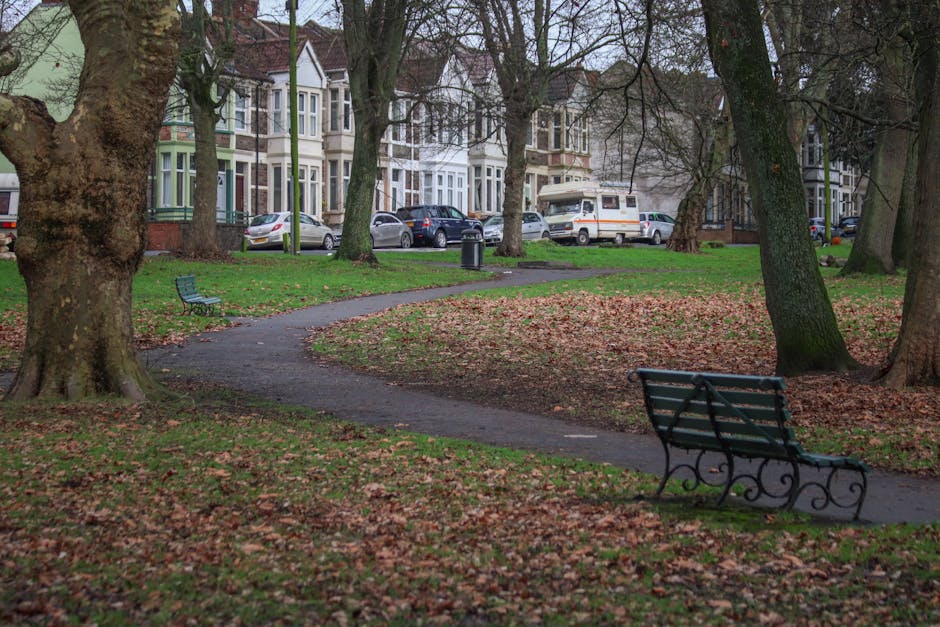
Larkhall Park bulky rubbish collection Stockwell gardens
If you are dealing with a sofa that will not fit through the door, a broken wardrobe that has sat in the hallway for weeks, or a pile of garden cuttings and old bits of furniture that keep getting in the way, this guide is for you. Larkhall Park bulky rubbish collection Stockwell gardens is really about making a messy job feel manageable again. Not glamorous, granted. But very necessary.
In and around Stockwell, bulky waste can build up fast: a flat clear-out before a move, a garden tidy after a long wet spell, a builder's offcut pile from a small refurb, or simply that "we'll deal with it next weekend" corner that has grown legs. The good news is that there is a straightforward way to clear it responsibly, without turning your home or business into a staging area for junk.
This article explains how bulky rubbish collection works, what to expect, how to prepare, what to avoid, and which disposal options make sense for different situations. It also covers practical checks on compliance and best practice, so you can make a sensible choice the first time.
Expert summary: the best bulky rubbish collection is the one that matches the type of waste, the access to your property, and the urgency of the job. If you plan the load properly, separate anything restricted, and choose the right collection method, you save time, stress, and usually money too.
Why Larkhall Park bulky rubbish collection Stockwell gardens Matters
Bulky rubbish is different from everyday household waste. It takes up space, is awkward to move, and often contains mixed materials that need separate handling. A mattress, for example, is not just "a mattress"; it is fabric, foam, springs, and possibly dust, damp, or damage. A broken chest of drawers might be wood, metal fixings, paint, and screws. It all adds up.
That matters for two reasons. First, bulky items can make a home feel cramped, cluttered, and hard to use. Second, leaving them out of the way "for now" usually means they block access, attract damp, and become one more thing on an already long to-do list. Let's face it, once the pile starts looking permanent, it tends to stay that way.
For homes near Larkhall Park and in the wider Stockwell area, the need is often practical: moving out, refurbishing a room, clearing a garage, or making space after a delivery. For landlords, letting agents, and small businesses, bulky waste can also affect presentation and turnaround times. A clean space signals care. A cluttered one, not so much.
There is also a sustainability angle. Responsible collection helps divert reusable and recyclable materials away from landfill where possible. If handled properly, furniture, appliances, and general bulky waste can often be sorted in a way that reduces environmental impact. That is one reason services focused on recycling and sustainability are worth considering when you want more than just a quick tip run.
Key point: bulky rubbish collection is not only about removing waste. It is about restoring usable space, reducing risk, and handling items in a way that is practical and responsible.
How Larkhall Park bulky rubbish collection Stockwell gardens Works
The process is usually simpler than people expect. In most cases, it starts with identifying what needs to go, checking whether any items require special handling, and then arranging collection at a time that suits your access and schedule. No magic. Just a clear sequence.
Here is the usual flow:
- Identify the bulky items. Separate furniture, appliances, garden waste, renovation debris, and any mixed loads.
- Check for restrictions. Some items need specialist handling, such as fridges, certain electronics, or anything hazardous.
- Estimate the volume. This helps decide whether a partial load, full load, or larger clearance is needed.
- Arrange the collection. Choose a time when the waste is accessible and the route is clear.
- Prepare the items. If possible, group items by type and make them safe to move.
- Collection and removal. The team loads the waste, sorts what can be reused or recycled, and takes it away.
In a typical Stockwell flat, access can be the real deciding factor. Narrow stairs, shared hallways, parked cars, and timed entry windows can all affect how quickly the job gets done. That is why a good service will ask practical questions upfront, rather than pretending every collection is the same. It is never the same, of course.
If the waste includes furniture, it may be worth looking at furniture clearance or furniture disposal. For mattresses and sofas specifically, dedicated handling through mattress and sofa disposal can be more suitable, especially if you want the item removed without overcomplicating the job.
For bigger household clear-outs, you may also need related services such as home clearance, flat clearance, or house clearance. That depends on whether the waste is a one-off bulky item or part of a larger room-by-room clear-out.
Key Benefits and Practical Advantages
The obvious benefit is space. A clear floor, a usable hallway, a garage you can actually park in again. But the real value goes a bit deeper than that.
- Less stress: no more stepping around awkward furniture or half-broken items every day.
- Faster turnaround: one organised collection is usually easier than several little attempts to move things yourself.
- Safer moving conditions: fewer trip hazards, better access, and less lifting in cramped spaces.
- Better property presentation: useful for rentals, sales, and refurbishments.
- More responsible disposal: items can be sorted for reuse, recycling, or specialist handling where needed.
There is also a quiet emotional benefit that people do not always mention. A room without clutter feels calmer. You notice it when you open the door and the eye can breathe again. Sounds a bit soft, maybe, but it is true.
For some people, a bulky waste collection is the final push after a long delay. For others, it is the first practical step in a bigger project like a loft sort-out, a garden refresh, or a move. Either way, the job becomes less mentally noisy once the waste is gone.
If your bulky waste is mixed with heavier or less manageable items, you may also want to explore garage clearance, loft clearance, or garden clearance. These can be especially useful if the waste is spread across more than one area.
Who This Is For and When It Makes Sense
This service is useful for a lot of people, not just the ones with a van, a bad back, and a very long Sunday ahead of them.
Homeowners and tenants often need bulky rubbish collection after replacing furniture, moving house, or clearing out old storage. If you are in a flat, bulky items can be especially awkward because stairwells and shared entrances make self-removal difficult.
Landlords and managing agents may need a quick turnaround after a tenancy ends. A property can look "almost ready" until the old sofa, broken chair, and random appliance are still sitting there. Not ideal for viewings.
Businesses also need a reliable way to clear large waste items, especially offices, studios, shops, and small workspaces. If that sounds familiar, office clearance or business waste removal may be the better fit.
Tradespeople and renovators may have mixed bulky waste from strip-outs, fittings, packaging, and leftover materials. For those jobs, a service that also handles builders waste clearance can save a lot of time.
This makes sense when:
- you have items too large for normal bins or cars;
- the waste is too heavy or awkward to move alone;
- you need the space cleared quickly;
- you want to avoid multiple trips to a disposal site;
- the waste includes a mix of materials and needs sorting.
Step-by-Step Guidance
If you want the collection to go smoothly, a little preparation helps more than people think. Here is a practical approach that works well in real life.
1. Walk through the space first
Do a proper sweep of the room, garage, garden, or storage area. Look for anything you forgot was there. The weird old lamp. The broken fan. The chair with one missing leg. They multiply quietly, then all appear at once.
2. Separate what can be reused, recycled, or discarded
Some items may still be usable. Others may be repairable. And some are simply done. Sorting before collection helps keep the job tidy and can improve how the waste is handled. If the load is mostly reusable furniture, a dedicated furniture service may be useful.
3. Flag anything special
Not everything belongs in a standard bulky waste load. Fridges, freezers, mattresses, sofas, and anything potentially hazardous should be identified early. If there is a fridge, appliance, or similar item, look at fridge and appliance removal. If there is hazardous material or uncertainty around something chemical, dusty, sharp, or contaminated, use hazardous waste disposal.
4. Measure access, not just volume
A small pile in a tiny flat can be harder to remove than a larger pile in a driveway. Door widths, stair turns, parking, and lift access all matter. Honestly, access can make or break the whole job.
5. Clear a path
Move smaller items out of the way and make sure the route to the collection point is as clear as possible. That reduces time on site and helps prevent scratches, knocks, and that awkward dance with a door frame.
6. Confirm the booking details
Check the collection time, what is included, and any restrictions. This is the moment to ask questions. Better now than when everyone is already standing there with the item half out of the room.
7. Keep important items separate
Documents, valuables, chargers, spare keys, and sentimental bits often hide in drawers and boxes. Take them out before the collection team arrives. It sounds obvious, but these little oversights happen all the time.
Expert Tips for Better Results
After enough clearances, a few patterns become obvious.
Tip 1: Photograph the load before you book. Even a quick phone photo helps you assess volume and make sure you do not miss anything. It also helps if the waste is spread across several rooms.
Tip 2: Group similar items together. Put furniture with furniture, garden waste with garden waste, and builders' debris together where practical. That makes sorting cleaner and loading faster.
Tip 3: Check for dismantling opportunities. A wardrobe, bed frame, or large cabinet often becomes much easier to remove if it is taken apart first. Sometimes a few screws save a lot of hassle.
Tip 4: Think about timing. Morning collections can be easier when the property is quiet and parking is less of a headache. Later collections can work too, but if the area is busy, give yourself a little buffer.
Tip 5: Be realistic about what you can lift. A bulky item may look manageable until you get it halfway down the stairs. If it needs two people, it needs two people. No shame in that.
Tip 6: Ask how the waste will be handled. A good provider should be able to explain whether items are reused, recycled, or taken for specialist treatment. If environmental responsibility matters to you, that is worth asking.
For many clients, the best results come from pairing the collection with a broader service. A quick room clear-out can become a proper reset when you combine it with house clearance or a more focused waste removal job. Keep it simple, though. No need to turn one sensible job into a week-long project.
Common Mistakes to Avoid
The biggest mistakes are usually simple ones, which is what makes them annoying.
- Leaving it too late: bulky waste often becomes a bottleneck when you are already under pressure.
- Mixing restricted items with normal waste: this can slow the job and create handling issues.
- Underestimating access: the item may fit the room but not the stairwell, turn, or corridor.
- Not measuring volume: "It's only a few bits" can turn out to be a small mountain.
- Forgetting hidden waste: under beds, behind sheds, inside cupboards, and in loft corners.
- Ignoring safety: glass, rusted metal, splinters, and sharp fixings can cause avoidable injuries.
Another common issue is trying to save time by pushing everything into one pile without sorting. That can work for the eye, but not always for the collection. If you have a mix of furniture, appliances, and general rubbish, a more structured approach is usually better.
And yes, there is always that one item you think will be easy, then it turns out to be wedged under three others and somehow heavier than expected. Funny how that happens.
Tools, Resources and Recommendations
You do not need specialist gear for every job, but a few basic tools can make bulky waste collection much smoother.
- Work gloves: useful for splinters, dust, and rough edges.
- Strong bags or sacks: good for smaller loose items, fabric, and light debris.
- Measuring tape: essential when access is tight.
- Screwdriver or drill: handy for taking apart furniture.
- Protective wrap or old blankets: useful if you want to protect walls and floors while moving items.
- Phone camera: simple, but very useful for documenting the load and planning the route.
For service selection, the most helpful resources are often the pages that explain the scope of work clearly. If you need to understand the business side, pricing and quotes is a practical place to start. If you want to know how payments are handled, payment and security gives useful reassurance. And if you want to understand the company approach more generally, about us can help you judge whether the service feels right.
Sometimes the most useful recommendation is simply this: write a short list before you book. What is going? Where is it located? Is anything fragile, restricted, or unusually heavy? Three minutes of notes can save a lot of back-and-forth later.
Law, Compliance, Standards, or Best Practice
Bulky rubbish collection should be handled in line with normal UK waste management expectations: waste should be transferred to an authorised handler, items should not be fly-tipped, and hazardous materials should be separated and dealt with properly. If you are a householder, that means choosing a collection method that keeps the waste chain sensible and traceable. If you are a business, the standards are tighter and record-keeping matters more.
In practical terms, best practice usually means:
- confirming the type of waste before collection;
- separating hazardous or specialist items;
- using a provider that can explain disposal routes clearly;
- avoiding unsafe manual handling;
- keeping access routes clear to reduce damage and injury risk.
If your job includes mixed waste from a refurbishment or strip-out, the same mindset applies. Check what can go, what needs separate handling, and what should not be included. For anyone unsure about load composition, what can go in a skip can be a helpful reference point, even if you are not actually using a skip. It gives a practical sense of what tends to be accepted and what usually needs different treatment.
For businesses, the expectation is a bit more formal. Waste should be stored safely, transferred responsibly, and handled in a way that does not create risk for staff, visitors, or neighbours. If you are clearing an office, the same careful approach should also apply to confidential material; confidential shredding may be relevant where paperwork or sensitive documents are part of the mix.
Options, Methods, or Comparison Table
There is more than one way to deal with bulky rubbish. The right option depends on how much waste you have, how quickly you need it gone, and whether the items are simple or fiddly. Here is a plain-English comparison.
| Method | Best for | Pros | Watch-outs |
|---|---|---|---|
| Self-removal | Small, light items and easy access | Low direct cost if you already have transport | Time-consuming, heavy lifting, multiple trips |
| Skip hire | Larger mixed loads or ongoing work | Good for projects over several days | Requires space, permits may be needed, loading is on you |
| Bulky waste collection | One-off items, furniture, household clear-outs | Convenient, quick, less lifting for you | Needs accurate item listing and access planning |
| Full clearance service | Whole-room, flat, house, or business clearances | Efficient for bigger jobs and mixed contents | Can be more than you need for a single item |
If your waste is mainly old furniture, a dedicated furniture or sofa/mattress route may be the neatest answer. If it is more about a garage, loft, or garden, those targeted clearance pages can fit better. The trick is not choosing the fanciest option. It is choosing the least complicated one that actually fits the job.
Case Study or Real-World Example
Here is a realistic example. A tenant moving out of a Stockwell flat had three bulky items left at the end of a tenancy: a broken wardrobe, a sagging mattress, and a small table with damaged legs. None of it was dangerous, but all of it was awkward. The building had a narrow stairwell, shared entrance access, and a busy street outside. Not exactly ideal.
Instead of trying to split the job over multiple weeks, the tenant grouped the items together, measured the stair turns, and took a few photos. The mattress and wardrobe were flagged in advance, and the collection was arranged as a single visit. The result was fairly uneventful, which in this line of work is a good thing. The flat was handed over clear, the hallway stayed tidy, and there were no last-minute surprises.
A similar approach works for domestic clear-outs too. One family clearing a spare room after years of "we might need this" items may find that a single organised collection clears the mental fog as much as the physical clutter. There is something satisfying about that first empty corner. You notice the light in the room again.
Practical Checklist
Use this checklist before your collection day.
- Identify every bulky item that needs to go.
- Separate furniture, appliances, garden waste, and general rubbish.
- Check for hazardous, sharp, or restricted items.
- Measure doors, stairwells, and access routes.
- Clear a path from the items to the exit.
- Remove valuables, documents, and personal belongings.
- Dismantle anything that can be safely taken apart.
- Take a few photos for planning if needed.
- Confirm the booking time and any access notes.
- Keep pets, children, and bystanders out of the lifting route.
If you complete even half of that list, the job usually feels much easier. If you complete all of it, even better. Bit of discipline up front, much less chaos later.
Get a free quote today and see how much you can save.
Conclusion
Larkhall Park bulky rubbish collection Stockwell gardens is best approached as a practical clearance task, not a guessing game. Once you know what is being removed, how much space it takes, and whether any items need special handling, the rest becomes much more straightforward. That is the real value here: less stress, less wasteful effort, and a cleaner result.
Whether you are clearing a flat, tidying a garden, moving out of a house, or simply trying to reclaim a room that has become a storage zone, the smartest move is to plan the collection properly and choose the most suitable removal route. Small details matter. Access, sorting, and timing can make a surprisingly big difference.
And once the bulky stuff is finally gone, the space feels different. Quieter, somehow. Better. A bit more like home again.
Frequently Asked Questions
What counts as bulky rubbish in Stockwell gardens and Larkhall Park?
Bulky rubbish usually means items too large or awkward for regular household bins, such as sofas, wardrobes, tables, mattresses, appliances, and large garden waste. If it is heavy, oversized, or hard to break down, it probably counts.
Can I mix furniture with general waste in one collection?
Often yes, but it depends on the service and the type of items. Mixing furniture with ordinary rubbish is common, but separating anything hazardous, electrical, or specialist is still important.
Is bulky rubbish collection better than hiring a skip?
It depends on the job. Bulky rubbish collection is usually better for one-off large items or quick clear-outs. A skip can suit longer projects or ongoing building work. If access is tight, a collection service is often easier.
How do I prepare a bulky item for collection?
Clear the area, remove personal items, and if possible dismantle the item into manageable pieces. Measure access routes too, especially in flats or older buildings with narrow staircases.
What happens to the items after collection?
That depends on the type of waste and the service used. Items may be reused, recycled, or sent for specialist disposal. Good practice is to sort waste responsibly rather than sending everything down the same route.
Can appliances be included with bulky waste?
Sometimes yes, but appliances are often handled separately because they may need specialist treatment. Fridges and similar appliances are especially worth flagging in advance.
Do I need to be home during the collection?
Usually yes, or at least someone with access needs to be available. The team may need to confirm what is being removed and how to reach it safely.
What if my item is too big to get out in one piece?
That is very common. Wardrobes, beds, and shelving units often need dismantling before removal. A few screws removed at the right time can make the whole job easier.
How much does bulky rubbish collection cost?
Costs vary depending on the volume, type of waste, access, and whether any items need special handling. The cleanest way to understand price is to request a quote based on the actual load.
Are there items that should never go in bulky rubbish collection?
Yes. Hazardous waste, certain chemicals, and some specialist materials should not be mixed in with ordinary bulky rubbish. If you are unsure about an item, it is safer to ask before collection day.
Can bulky rubbish collection help with an end-of-tenancy clear-out?
Absolutely. It is one of the most common reasons people book a collection. It helps remove leftover furniture, damaged items, and anything that is too large for standard disposal.
What should I do if access is difficult?
Measure the route, note stairs or narrow corners, and mention parking or entry restrictions upfront. Difficult access is not a deal-breaker, but it does need planning. A little honesty early on saves a lot of effort later.
If you are ready to clear the mess and get your space back, taking the next step now is usually easier than waiting for another weekend that never quite arrives.